Why Unmounted Horsemanship is Just as Important as Riding
The best riding schools teach more than just how to sit in the saddle. Learn why unmounted horsemanship is key to becoming a well-rounded, safe equestrian.
*Quick Answer
The answer to ‘Why Unmounted Horsemanship is Just as Important as Riding’ is that a good unmounted curriculum covers everything from how to groom and prepare for a ride to when to call the vet, and many other topics. Unmounted education will develop confident, capable, and compassionate equestrians.
When you sign up for a horseback riding lesson, and you or your child arrive at the barn, the expectation is usually that the lesson will be spent on the horse’s back, learning to steer, post the trot, and later on, canter and jump.
The typical high-volume, drop-in lesson barn in the Louisville and Shelbyville areas will function exactly this way. The horse is often already tacked up and waiting, the student mounts, and spends the next half hour to forty-five minutes in the arena with a handful of other riders, dismounts, and hands the reins back to a groom.
At Faewood Equestrian, we do things very differently. Every single membership tier (from Bronze to Gold) includes access to our dedicated weekly unmounted lesson, and must complete a full unmounted curriculum alongside their mounted objectives to progress in their equestrian journeys.
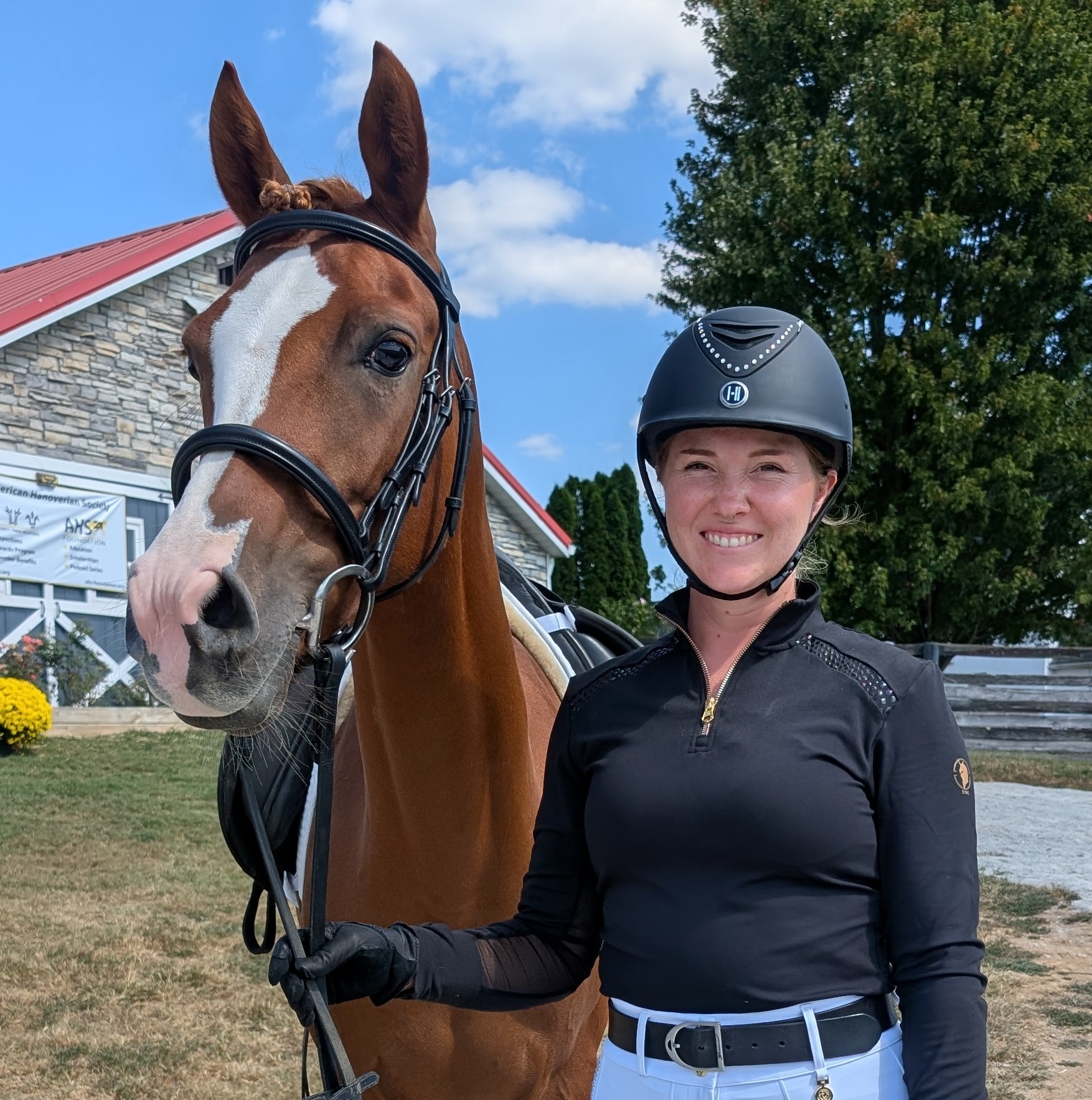
Why do we place such an emphasis on not riding? Because a rider who only knows how to sit in a saddle is not an equestrian. True horsemanship happens on the ground.
1. Safety Starts on the Ground
Horses range in weight from 800 to 1,300 pounds, and as prey animals, have a highly attuned flight response. The vast majority of horse-related accidents don’t happen while mounted, they happen while handling horses on the ground, while grooming, tacking up, or leading.
Learning to read body language can help you understand what your horse is telling you. Horses are constantly communicating using their ears, eyes, tail, and posture. In our unmounted lessons, students will learn how to read these cues in context, and prevent a potentially dangerous situation from escalating.
Safe handling skills, such as walking behind a horse, correctly tying a quick-release knot, and how to lead a horse without getting stepped on or dragged to a patch of grass can only be built and learned from the ground, and are imperative to your safety around these animals.
2. Horses as Partners, Not Sporting Equipment
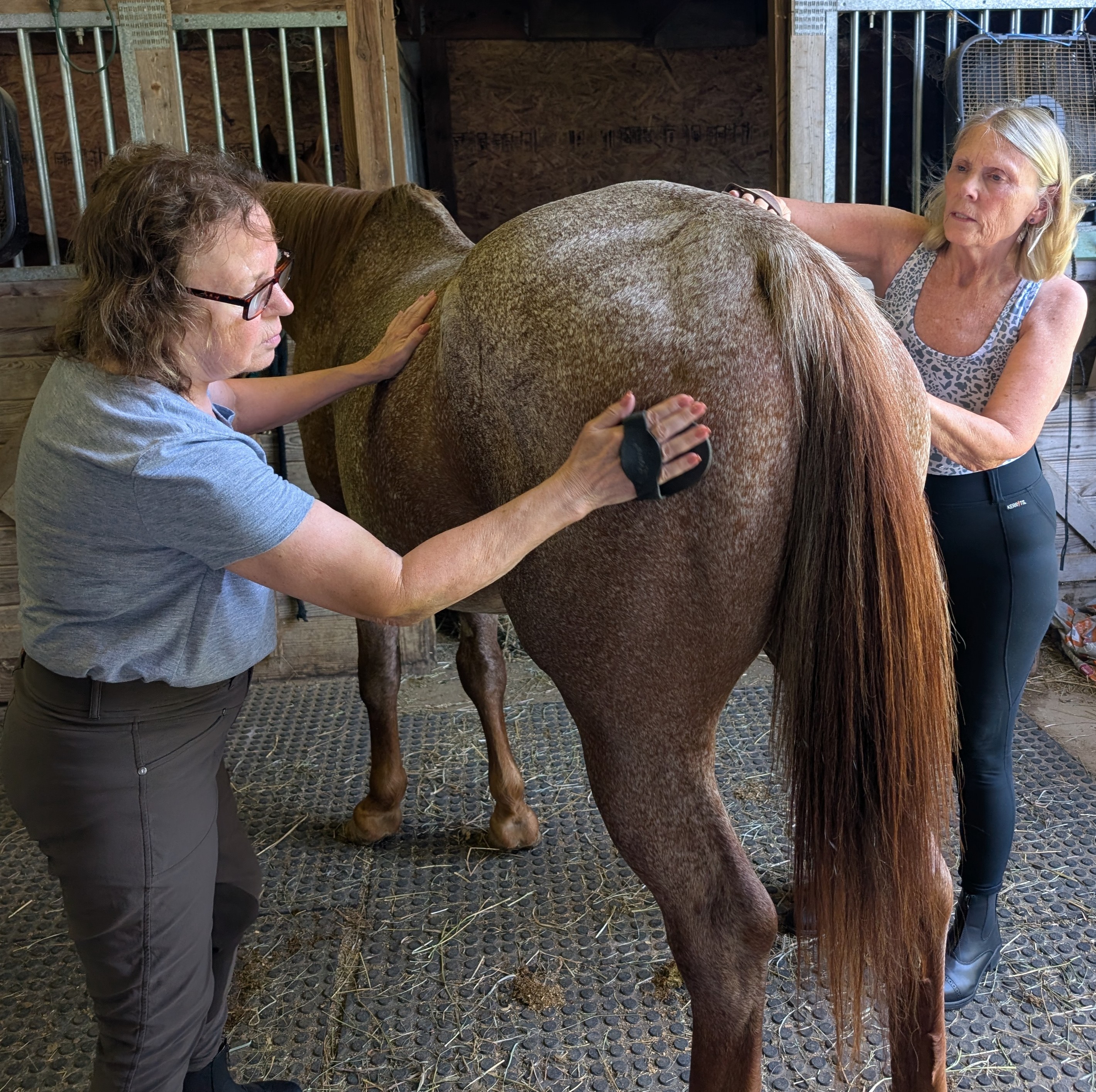
Grooming is a way that horses naturally bond with each other in a herd. When you learn to curry, brush, and pick out hooves, you’re engaging in a bonding activity. Horses appreciate riders who know their itchy spots and build a friendship based on care, not just demands.
Empathy and responsibility come from knowing that humans are the only way a horse can access fresh food and water, medical attention, or anything else they may need. Students learn about equine nutrition, first aid, anatomy, and when to call the vet. They learn that the horse’s well-being always comes before a rider’s desire to ride. This builds a true sense of empathy that extends beyond the barn.
3. Understanding How and Why Our Tack Works
Students at Faewood Equestrian learn how to take tack apart for cleaning and put it back together (sometimes blindfolded!). They’ll learn why we use certain bits on certain horses. More importantly, they’ll learn about how tack should fit. A poorly-fitting saddle can cause a lot of acute pain, and eventually chronic muscle atrophy. An equestrian with an understanding of saddle fit won’t blame a horse for being “bad” or “stubborn” when the horse is actually in pain.
4. Communication and Foundations for Riding
At Faewood Equestrian, our riding curriculum is based on classical dressage, the Fort Riley seat, and the AlignmentHorse method. Having a working knowledge of how to work a horse in-hand is essential for achieving higher levels of riding, and understanding how the horses know how to answer our questions under saddle.
Our unmounted lessons sometimes include groundwork - students learn to longe, how to ask for shoulder and hindquarter yields, or back up in-hand. Groundwork can help establish an equestrian as a calm, clear leader. Horses rely on us to make them feel safe, so building this trust from the ground directly impacts your communication with them on the ground.
The Faewood Equestrian Commitment to True Horsemanship
We understand that when you pay for riding lessons, you want to spend as much time riding as possible. But we also know that the goal of a premium equestrian education is not just to produce a rider who can avoid falling off over a crossrail. The true goal is to produce a competent, confident, and compassionate equestrian with a desire to improve in all aspects of horsemanship.
By dedicating time to unmounted education every week, we ensure our members are receiving a complete equestrian education. They learn not only the “what,” but also the “why” and the “how” of horses, setting them up for a lifetime of safe, joyful partnership with their equine friends.
If you or your child would like to join us, we would love to see you. Book an evaluation lesson today to get started on your journey.
Key Takeaways:
Unmounted horsemanship lessons teach students many aspects of safety and empathy
Safety starts on the ground
Learning about our responsibilities to horses builds empathy in all areas of life
Understanding saddle fit can prevent a lot of physical pain in your horse
Groundwork is key to building leadership in your relationship with your horse
Unmounted education is necessary to be a well-rounded equestrian